Family Therapy Meeting Balloon Boom Slot Machine Relationship Help in UK

Contemporary family life is challenging https://balloonboom.uk/. The ways we seek help have changed, stretching well past the conventional therapist’s couch. I’ve been examining how entertainment and technology bump up against our social lives, and I noticed something intriguing. At times, a straightforward leisure activity can serve as a unexpected metaphor for how we connect. Look at the ‘Balloon Boom’ slot game. At first glance, this is simply a online pastime. But examine it more closely, and you’ll recognize its workings—teamwork, shared excitement, and team rewards—mirror the basic ideas behind effective family counseling. Families across the UK are managing complicated relationships, and they often seek out new ways to engage. A slot game won’t replace a qualified therapist, naturally. Still the shared language and experience it generates can give us a fresh way to think about family. It highlights the benefit of engaging together, having shared goals, and celebrating each other’s little victories.
Grasping the Comparison: Slot Operations and Family Dynamics
To grasp the analogy, you should recognize how a cooperative slot like Balloon Boom functions. It’s not a single-player activity. This sort of game has collective features where players work toward a shared target, like pumping up a solitary balloon to trigger a bonus. That mechanism is a powerful picture of how a family operates. Every member’s move—their personal ‘spin’—adds to the team’s effort. If none contributes, the goal stagnates. If everyone operates chaotically without cooperation, the balloon might burst too early for little reward. The link to family therapy is evident. In therapy, a counselor guides a family to define shared goals (the jackpot), recognize each person’s role in the system (their unique spin), and learn to participate in a coordinated way for a healthy result. The slot’s own rhythm, with its pauses and abrupt bursts of action, reflects the typical flow of family life. It instills patience and the necessity to persist.
Communication: The Paths of Understanding
In a slot machine, paylines are the essential paths to a win. For families, effective communication functions the similar way. These pathways are the vital paylines. When they become blocked with grudges, confusion, or bad listening, personal effort never delivers a positive outcome. Balloon Boom offers visual and audio feedback for team actions. This acts as a fundamental model for constructive reinforcement at home. A pleasant sound for a group contribution isn’t so unlike from the positive words a counsellor shows families to use. It shifts attention away from criticizing one person and toward what you accomplished together, bolstering the behavior that benefits the whole unit.
Danger and Payoff in a Family Context

The risk-reward arrangement of a game also echoes family choices. Families are continually balancing emotional risks: the risk of opening up, of initiating a hard talk, of altering old habits. The likely reward is a more resilient, more flexible bond. In both situations, handling what you foresee is critical. Pursuing a endless ‘bonus round’ of high drama isn’t practical. A healthy family, like a sensible approach to gaming, recognizes worth in the base game—the consistent, daily interactions that build security and trust gradually.
Integrating Playfulness with Intent
Considering the unlikely link between a slot game’s design and family counselling principles highlights a bigger fact about how people interact. Even in a time of digital distraction, our basic human requirements stay the same. We require shared purpose, positive response, and the possibility to succeed together. The ‘Balloon Boom’ metaphor isn’t an solution, but it’s a vivid illustration. It shows us that healthy families, much like good cooperative play, need clear interaction, aligned objectives, mutual effort, and the ability to enjoy group wins. For families in the UK, building stronger bonds might start with a deliberate decision to weave these notions into daily life, using shared pursuits as preparation for better interaction. But when problems run deep, the smart step is to recognise the professional support network across the UK operates for a reason. It provides the expert advice needed. The goal, whether through a playful contrast or professional help, remains the same: to create a family framework where everyone experiences listened to, cherished, and part of a shared journey, making the everyday cycles of life into a common story of fortitude and connection.
Useful Tips: From Digital Play to Improved Conversation
How can households use the attractive setup of a shared activity to initiate better relationships? The objective is to deliberately move the cooperation felt during play into everyday talk. Kick off by picking a low-stakes, collaborative activity—this may be a game, a jigsaw puzzle, or a craft project. The rules are simple: center on the joint aim, use uplifting support, and afterwards, talk not about the score but about how you collaborated as a team. Pose questions the session evokes: “What was our finest group action today?” or “How could we team up more effectively next time?” This terminology comes from team-building. It’s non-argumentative and is forward-looking. It directs conversation away from personal criticism and toward making the system better. Put these ‘connection sessions’ in the planner as regularly as a counselling appointment, and protect that time from distractions. The activity becomes the impartial space, similar to the counsellor’s room, where new approaches to relating can be tested safely.
- Start a Consistent ‘Game Session’: Allocate 30 minutes each week for a cooperative activity with a defined, common objective. Keep it a phone-free zone.
- Use Observational Language: Discuss the process, not the person. Attempt “We’re nearly there as a team!” instead of “You messed that up.”
- Hold a After-Action Review: Take five minutes to discuss what felt good about working together and one small change for next time. Make it short and upbeat.
- Translate the Analogy: Carefully connect the experience to real life. “We talked it out well to solve that puzzle; maybe we could use a comparable discussion to plan the weekly shopping.”
The Importance of Common Activity in Contemporary British Families
Daily life in the UK is hectic. Household arrangements are varied, and carving out meaningful time together is hard. Digital devices often separate family members rather than uniting them. But the reality that families interact with digital games, even just watching or playing casually, shows a deep hunger for a common focus. A title such as Balloon Boom, featuring vivid colours, straightforward rules, and a clear objective, can serve as a relaxed joint pastime. It gives everyone a neutral topic to talk about, a shared “we accomplished that” experience without past family issues or disputes. Building on this neutral foundation, families can rehearse the exact skills counselling tries to build: taking turns, giving praise, and dealing with letdowns or excitement as a team. This form of joint screen time is the contemporary take on a board game night. It delivers a structured, entertaining setting for engagement that can reduce friction and generate new, uplifting recollections.
Resources and Support Systems Across the UK
For UK parents who recognize they require support beyond metaphorical self-help, a robust network of resources is prepared. The first stop for many people is the NHS website. It holds lots of information on mental health support and how to access them. Charities like YoungMinds give crucial support for carers with youngsters and teens facing mental health challenges, offering advice and directing parents toward professional help. For specialist relationship and family support, Relate is a cornerstone in the UK, famous for its available services. Your local council often manages family information services. They can guide you to local support groups, parenting classes, and therapy. Also, many employers now offer Employee Assistance Programmes (EAPs). These usually include confidential counselling appointments for staff and their immediate families. Remember, looking for help indicates strength and a dedication to your family’s wellbeing. It is never a sign of weakness.
When to Seek Real Professional Help in the UK
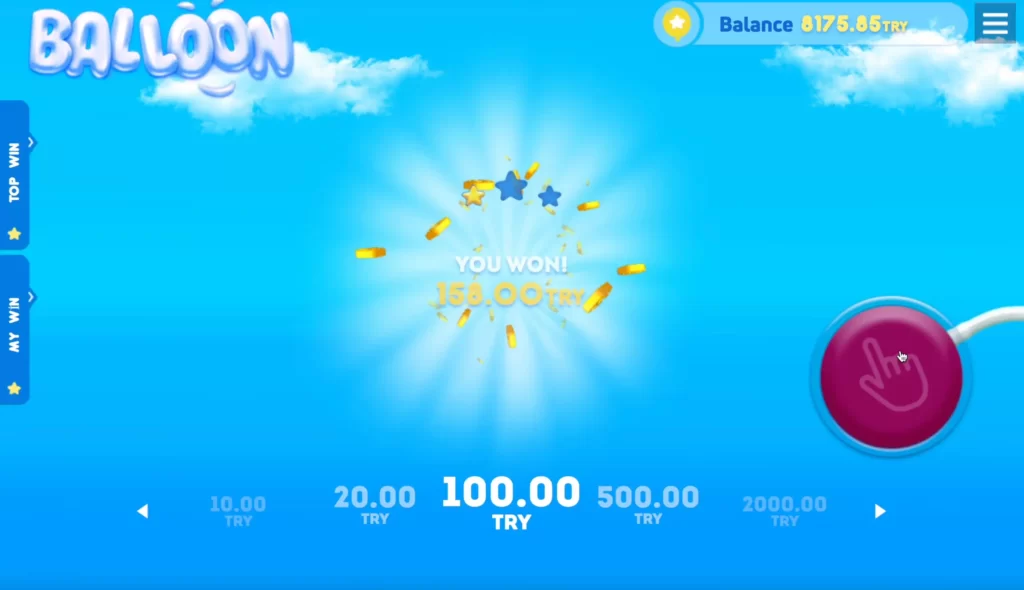
Figurative language has its place, but establishing a clear boundary between playful comparison and genuine professional support is essential. A slot game, even with its team-based themes, is designed for amusement. Family counselling is a professional, clinical process for addressing real and frequently difficult problems. If the patterns in your home cause serious distress, damage emotional wellbeing, or lead to harmful conduct, you need to look for accredited support. Throughout the United Kingdom, help is available through multiple pathways. The National Health Service (NHS) provides talking therapies, which can include family therapy, commonly arranged through a GP referral. Charities such as Relate offer specialised relationship and family counselling throughout the UK, in person and online. Private practitioners listed with the UK Council for Psychotherapy (UKCP) or the British Association for Counselling and Psychotherapy (BACP) are a further possibility. Watch for indicators like persistent discord, a full breakdown in communication, coping with major trauma or grief, or when issues such as addiction, abuse, or extreme behavioural issues are involved.
Core Principles of Family Counselling Echoed in Play
Experienced family counselling in the UK relies on several well-known principles. It’s remarkable how many of these manifest, in an abstract way, in the mechanics of a team-based, goal-based game. The first principle is unbiased observation. A counsellor notes family patterns without assigning blame. A game’s algorithm functions similarly; it doesn’t judge, it just responds to input. This can make a safe bubble for interaction. Next, counselling aims at identifying and altering dysfunctional patterns. In a game, if a tactic doesn’t work, players adjust. This micro practice in adapting is a significant lesson. Thirdly, good therapy improves communication and issue resolution. A collaborative game is, at its essence, a ongoing, low-stakes puzzle that needs regular, essential communication to win.
- Creating a Safe Container: The counselling room gives a private, boundaried space for difficult talks. A game session creates a provisional ‘container’ with fixed rules and a specific finish time. This lets people participate without being concerned an argument will continue on forever.
- Emphasising Interdependence: In a true collaborative mode, one player cannot trigger the ‘balloon boom’ bonus alone. This provides a clear lesson: the family’s success hinges on everyone. That’s a core idea of systemic family therapy.
- Reinterpreting Perspectives: Counsellors help families view problems in a different light. A game inherently changes a family’s dynamic from ‘parent against teenager’ to ‘team against a challenge,’ creating alliances instead of resistance.